When the Fun Stops Feeling Like Fun: A Straight-Talk Guide to Spotting Problem Gambling in Yourself
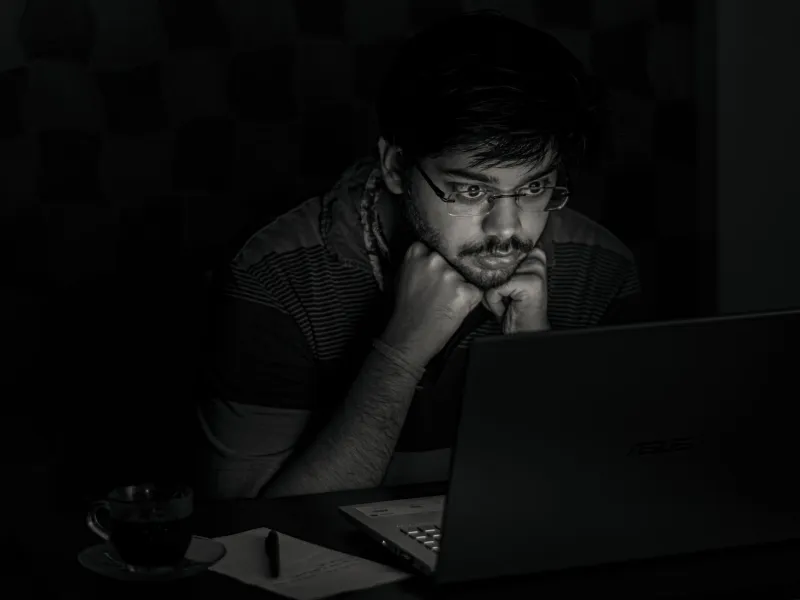
Let's be real for a second. Nobody sits down at a blackjack table or fires up their sportsbook account thinking, this is where it goes sideways for me. Problem gambling doesn't announce itself. It creeps in through habits that feel completely normal — until they're not.
This isn't a lecture. It's a conversation. One that BWFun88 thinks is worth having honestly, because we genuinely believe informed players make better players. And sometimes the most important information isn't about odds or strategy — it's about knowing yourself.
The Line Between Entertainment and Escape
Recreational gambling has a pretty clear profile. You set a budget. You play. You win some, lose some. When the money runs out or the session ends, you move on with your life. The experience is self-contained. It's entertainment — the same way a movie ticket or a night out is entertainment.
Problem gambling looks different from the inside. The session doesn't feel finished when the money runs out — it feels interrupted. The urge isn't to enjoy the game; it's to get back to some imagined state. Whether that's recovering losses, recreating a previous high, or simply escaping from stress, the motivation has shifted from fun to something more urgent.
Psychologists describe this distinction as the difference between taking action and chasing action. Taking action means you're engaged with the game on your own terms. Chasing action means the game is driving you — and you're just along for the ride.
Behavioral Red Flags Worth Taking Seriously
These aren't meant to diagnose anyone. They're meant to prompt honest self-reflection. If several of these patterns feel familiar, that's worth paying attention to.
You're thinking about gambling when you're not gambling. Occasional anticipation is normal. But if your mind keeps drifting to your next session during work, dinner, or conversations with people you care about, that's a signal that gambling has moved from hobby to preoccupation.
You need bigger bets to feel the same excitement. This is called tolerance — the same concept that applies to substance use. When the stakes that used to thrill you now feel boring, and you keep increasing them to feel something, you're no longer playing for entertainment.
You lie about how much you're playing or losing. Secrecy is one of the clearest markers of compulsive behavior. If you're hiding your activity from a partner, downplaying losses to friends, or keeping a separate account your family doesn't know about, you're protecting a behavior you know wouldn't hold up to scrutiny.
You chase losses. This one's huge. After a losing session, do you feel compelled to immediately play again to win it back? That's chasing — and it's one of the most reliable indicators that gambling has moved from controlled to compulsive. The logic feels rational in the moment (I just need one good session), but it almost always leads to deeper losses and more distress.
You've tried to cut back and couldn't. This is perhaps the most telling sign. If you've made a genuine decision to play less, set a limit, or stop entirely — and found yourself unable to stick to it — that's not a willpower problem. That's a behavioral pattern that's taken on a life of its own.
Gambling is your primary coping mechanism. Rough day at work? Fight with your partner? Financial stress? If your go-to response is to open the app or head to the casino, gambling has become emotional regulation rather than entertainment. That's a role it's not built to fill.
The Financial Warning Signs
Beyond behavior, your bank account often tells the story your instincts are trying to ignore.
- You're borrowing money — from friends, family, or credit cards — specifically to fund gambling.
- You've missed bills, rent, or other financial obligations because gambling funds got there first.
- You're selling possessions or dipping into savings in ways you wouldn't have considered before.
- You feel genuine financial anxiety but continue gambling anyway, hoping a win will fix the problem.
That last one is worth dwelling on. The idea that a big win will solve financial problems created by gambling is one of the most seductive and destructive thought patterns in problem gambling. It almost never plays out that way — and pursuing it almost always makes things worse.
What to Actually Do If This Is You
First: recognizing the problem is genuinely hard, and if you've read this far and felt something click, that takes honesty. Give yourself credit for that.
Here are concrete next steps:
Use self-exclusion tools. Most licensed platforms — including BWFun88 — offer self-exclusion options that let you lock yourself out for a defined period. Use them. They're not a sign of weakness; they're a smart use of available tools.
Contact the National Council on Problem Gambling. The NCPG operates a 24/7 helpline at 1-800-522-4700. It's free, confidential, and staffed by people who know this territory. You can also text or chat at ncpgambling.org.
Talk to someone you trust. Shame keeps problem gambling hidden, and hidden problems grow. Telling one person — a friend, a partner, a therapist — breaks the isolation that lets compulsive behavior thrive.
Set hard limits before your next session. If you're not ready to stop entirely, at least impose structural limits: a fixed dollar amount, a time cap, no chasing losses under any circumstances. Write them down. Commit to them in advance, not in the moment.
Look into Gamblers Anonymous. GA has chapters across the US and a strong online community. The peer support model works for a lot of people, and it costs nothing.
A Word From BWFun88
We're a gaming platform. We want you to play, enjoy yourself, and come back. But we want you to do that from a position of control — because players who are in control make better decisions, have more fun, and stick around longer. Compulsive gambling isn't good for players, and it's not something we want to profit from.
If this article hit close to home, please use the resources above. The games will still be here when you're in a better place. Your wellbeing comes first.